
How to Regulate Your Nervous System
Your nervous system is constantly working behind the scenes, managing everything from your heartbeat to your stress response. When it becomes dysregulated—whether from chronic stress, trauma, or daily anxiety—you might feel constantly on edge, exhausted, or emotionally overwhelmed. The good news? Learning to regulate your nervous system is a skill you can develop, and it’s one of the most powerful tools for reclaiming your sense of calm and control.
What Are the Symptoms of a Bad Nervous System?
A dysregulated nervous system doesn’t always announce itself clearly. You might experience racing thoughts, difficulty sleeping, or feeling either emotionally numb or overly reactive. Physical symptoms can include digestive issues, muscle tension, headaches, or a persistent feeling of being “wired but tired.” Some people describe feeling unable to settle down or, conversely, feeling disconnected from their emotions and surroundings. If you’re asking yourself “how to regulate my nervous system anxiety,” recognizing these signs is your first step toward healing.
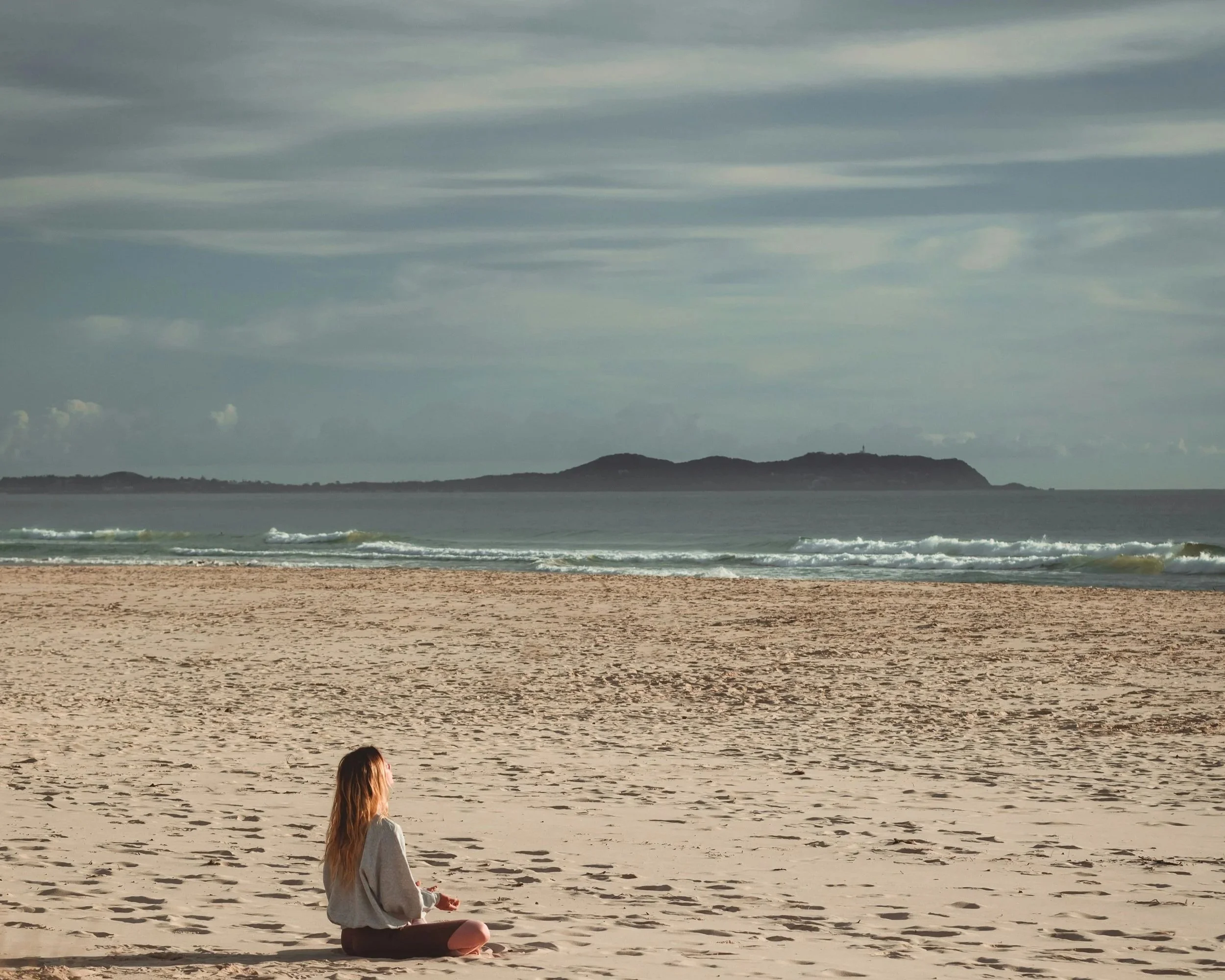
Understanding Self-Regulation vs. Co-Regulation
Before diving into specific techniques, it’s important to understand two fundamental approaches to nervous system regulation: self-regulation and co-regulation.
Self-regulation refers to techniques you can practice independently to bring your nervous system back into balance. These are tools you can access anytime, anywhere—breathing exercises, grounding techniques, or movement practices that help you shift from a state of fight-or-flight into rest-and-digest mode.
Co-regulation involves regulating your nervous system through connection with another person. Our nervous systems are naturally social and respond to the calm presence of others. Think about how a baby settles when held by a calm caregiver, or how talking with a trusted friend can help you feel more grounded. Co-regulation happens through eye contact, physical touch, tone of voice, and simply being in the presence of someone whose nervous system is regulated.
When to use each approach: Self-regulation is essential for building resilience and autonomy in managing your stress response. It’s particularly useful when you’re alone or need immediate relief. Co-regulation is invaluable when you’re feeling overwhelmed, isolated, or when self-regulation techniques aren’t enough on their own. Many people find that combining both approaches—developing strong self-regulation skills while also nurturing supportive relationships—creates the most robust foundation for nervous system health.

Is trauma Holding you back?
Perhaps you experienced a specific event that left you feeling different, disconnected, or stuck. Or maybe you carry a sense of unease in your body, struggling with anxiety or a feeling that something isn’t quite right.
As a somatic experiencing practitioner I specialize in helping people process and release stored trauma through gentle yet effective methods.
Download my FREE guide “Get Unstuck! The Truth About Body Trauma and How to Break Free’ and learn how to create the future you deserve.
How to Regulate Nervous System After Trauma
Trauma can leave your nervous system stuck in a state of hypervigilance or shutdown. Learning how to regulate nervous system after trauma requires patience and gentleness with yourself. Start with safety—both physical and emotional. Trauma-informed nervous system regulation techniques focus on creating a sense of safety in your body before moving into more activating practices.
Begin with simple grounding exercises like feeling your feet on the floor or naming five things you can see around you. Gentle movement like walking, stretching, or yoga can help release stored tension. Many trauma survivors benefit from working with a therapist trained in somatic approaches, as co-regulation with a skilled professional can provide the safety needed for deeper healing.

Nervous System Regulation Exercises
Here are practical nervous system regulation exercises you can start using today:
Breathing techniques: Try the 4-7-8 breath—inhale for four counts, hold for seven, exhale for eight. This activates your parasympathetic nervous system, signaling safety to your body.
Vagus nerve stimulation: Humming, singing, or gargling can stimulate the vagus nerve, which plays a key role in calming your nervous system. Even splashing cold water on your face can have an immediate regulating effect.
Bilateral stimulation: Cross-body movements like walking, dancing, or butterfly taps (gently tapping alternating hands on your shoulders) help integrate left and right brain hemispheres and calm your system.
Grounding through your senses: Hold ice cubes, smell lavender oil, or listen to calming music. Engaging your senses brings you into the present moment and out of anxious thought patterns.
If you are ready to experience somatic therapy and learn how to calm your nervous system naturally? Learn more about a somatic approach to body-centered healing.
What Is the Fastest Way to Regulate Your Nervous System?
When you need immediate relief, the fastest way to calm your nervous system naturally is through your breath. The physiological sigh—two quick inhales through your nose followed by a long exhale through your mouth—can shift your state in seconds. Alternatively, placing your hand on your heart and taking slow, deep breaths while offering yourself compassion can activate your body’s natural calming response remarkably quickly.
What Are the Signs of the Nervous System Healing?
As you practice nervous system regulation techniques consistently, you’ll notice positive changes. You might sleep more soundly, feel less reactive to stressors, or notice more space between a trigger and your response. Your body may feel less tense, your digestion might improve, and you may experience more moments of genuine calm and presence. Healing isn’t linear—you’ll have good days and challenging ones—but over time, nervous system regulation exercises build resilience that transforms your relationship with stress.
Ready to take the next step in your healing journey?
Remember, regulating your nervous system is not about eliminating stress entirely—it’s about building the capacity to move through stress with greater ease and return to balance more quickly. Whether you’re working through anxiety, healing from trauma, or simply seeking more peace in your daily life, these tools can help you reclaim your sense of safety and wellbeing.

Brianna Anderson, SEP
If you’re ready to begin your healing journey I’m here to help so you can begin to live the life of your dreams
My private practice specializes in helping people who have endured trauma, resolve the symptoms out of their body, mind & spirit so they can feel comfortable in their skin, find inner peace and live the desires of their heart.
I am based out of South Orange County, Ca and offer online therapy sessions. Whether you are just starting your healing journey or ready to try something new, I am here to help.