
How Delayed Can A Delayed Trauma Response Be
You did everything right. You kept moving. You built a life. And then — seemingly out of nowhere — you and your life began to fall apart.
You lived through something — maybe something that looked small from the outside — and suddenly it was like a door swung open to everything you thought you’d already dealt with. Or maybe nothing happened at all, and still your body started speaking in a language you didn’t recognize: anxiety that appeared from thin air, grief that felt disproportionate, rage that scared you with its heat.
If you’re wondering whether what you’re experiencing now could be connected to something that happened years — or even decades — ago, the answer is yes. A delayed trauma response years later is not only possible, it’s more common than most people realize. And understanding it might be the first step toward finally making sense of what your body has been carrying all this time.
What is a delayed trauma response?
Trauma doesn’t always show up when the wound is fresh. Sometimes the nervous system does what it needs to do to survive — it compartmentalizes, numbs, or simply keeps going. This isn’t a flaw. It’s the body’s profound intelligence at work.
But suppressed experience doesn’t disappear. It waits. And when the conditions are finally safe enough — or when the weight becomes too much — it surfaces.
A trauma response is any way the nervous system attempts to protect you from perceived danger. A delayed one is simply that same protective response arriving on a different timeline than you expected. It can show up weeks after an event, years after, or sometimes an entire lifetime later. This is residual trauma — the unprocessed material that never had the chance to move through, quietly shaping the nervous system long after the original experience has passed.
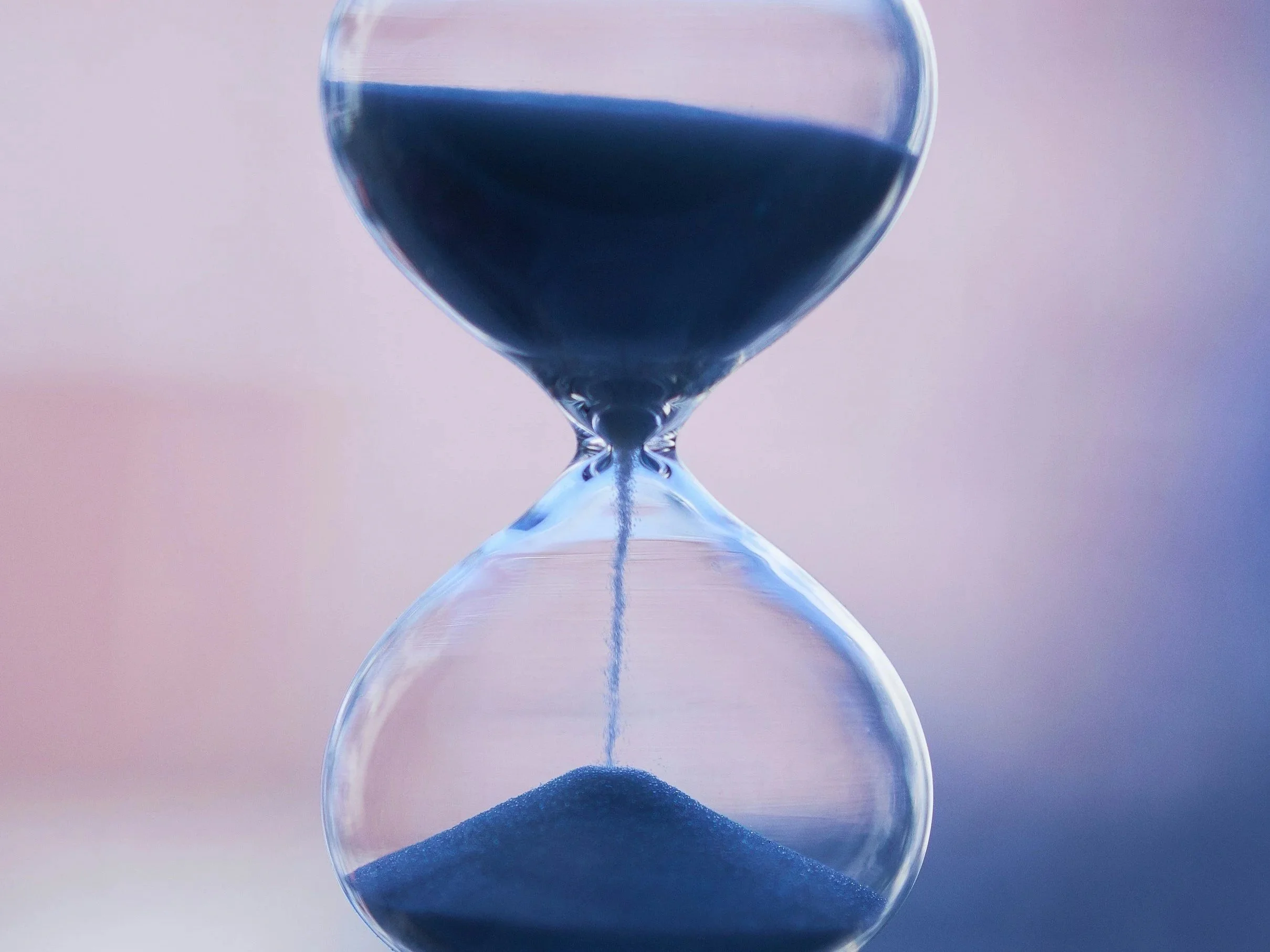
So how delayed can it actually be?
This is the question I hear often, usually from someone sitting across from me who is in their 30s, 40s, or 50s and wondering why they’re only now falling apart over something that happened in childhood.
The short answer: there is no expiration date on trauma resurfacing years later.
The nervous system is not bound by logic or linear time. It stores what it couldn’t process, and it holds that material until something — a relationship, a loss, a transition, a moment of stillness — creates the opening. For many people, the effects of childhood trauma later in life don’t emerge until adulthood precisely because childhood didn’t offer the safety needed to feel them.
Common triggers for delayed responses include:
Entering a relationship that mirrors early attachment dynamics
Becoming a parent and encountering your own unmet needs through your child
The death of a parent, even an estranged or complicated one
Retirement, illness, or any major life transition that strips away the busyness that kept the body occupied
Therapy or a spiritual practice that begins to lower the nervous system’s defenses for the first time
None of these causes the trauma. They simply create the conditions for what was always there to resurface.
If any of this is landing somewhere tender, you don’t have to sort through it alone. Find healing with someone you can trust.

Is trauma Holding you back?
Perhaps you experienced a specific event that left you feeling different, disconnected, or stuck. Or maybe you carry a sense of unease in your body, struggling with anxiety or a feeling that something isn’t quite right.
As a somatic experiencing practitioner I specialize in helping people process and release stored trauma through gentle yet effective methods.
Download my FREE guide “Get Unstuck! The Truth About Body Trauma and How to Break Free’ and learn how to create the future you deserve.
Why the body, not just the mind
One of the most important things to understand about processing trauma years later is that talking about it is rarely enough on its own. This is because trauma isn’t stored as a narrative — it’s stored as sensation. It lives in the tension in your shoulders, the way your breath shortens in conflict, the freeze that moves through your body before you even have a conscious thought, or even in digestive issues or chronic pain patterns.
This is why somatic work matters. Somatic experiencing works with the body directly, helping the nervous system complete what it couldn’t complete when the original experience happened. It’s not about reliving. It’s about releasing — slowly, safely, in layers.
The effects of childhood trauma later in life often show up somatically first: chronic tension, fatigue, digestive issues, difficulty being present in the body. Residual trauma doesn’t announce itself cleanly — it hides inside these patterns, inside the body’s learned ways of bracing and contracting, until it finally has permission to be felt. These aren’t random symptoms, they’re communication. And they can be worked with, gently and at the pace your system allows.

Healing doesn’t have a deadline either
Just as trauma has no expiration date, neither does healing. I’ve watched people in their 60s experience genuine resolution around experiences they’d been carrying since early childhood. The stages of healing from trauma are not reserved for the young or the newly wounded. They’re available to anyone willing to turn toward what the body has been holding.
Trauma resurfacing years later is not a sign that something has gone wrong with you. It may actually be a sign that something has finally gone right — that your nervous system trusts, perhaps for the first time, that there is now enough safety to feel.
That is not a breakdown. That is an opening.
Delayed trauma response years later is real, it is valid, and it is workable. You are not too late. You are not too far gone. You are simply arriving at the moment your healing has been waiting for.
If you’re ready to begin — or begin again — I’m here. Find healing with someone you can trust.

Brianna Anderson, SEP
If you’re ready to begin your healing journey I’m here to help so you can begin to live the life of your dreams
My private practice specializes in helping people who have endured trauma, resolve the symptoms out of their body, mind & spirit so they can feel comfortable in their skin, find inner peace and live the desires of their heart.
I am based out of South Orange County, Ca and offer online therapy sessions. Whether you are just starting your healing journey or ready to try something new, I am here to help.