
The Benefits of Yamuna Body Rolling
There is a particular kind of relief that comes when the body finally gets what it has been asking for — not more pushing, not more forcing, but real, intelligent contact. That is what drew me to Yamuna Body Rolling, and it is what continues to bring me back to it, both in my own practice and in the work I do with clients.
If you have been curious about this approach, you are in the right place. Below, I am walking you through what it is, how it works, and why it might be exactly what your body and nervous system need right now.
What Is Yamuna Body Rolling?
So, what is Yamuna Body Rolling? At its core, it is a self-care and therapeutic practice developed by Yamuna Zake that uses specifically designed balls to create traction, space, and release throughout the body. Unlike foam rolling, which tends to work on the surface layer of muscle tissue, Yamuna Body Rolling works along bone, fascia, and the connective tissue pathways that run through the entire body.
The practice is slow, intentional, and deeply somatic. You are not just rolling out tension — you are re-educating the body, restoring its natural alignment, and creating space in areas that have been compressed, guarded, or held. For anyone whose body has been carrying the weight of stress, chronic tension, or unresolved trauma, understanding what is Yamuna Body Rolling can open a door to a genuinely different way of relating to your physical self.
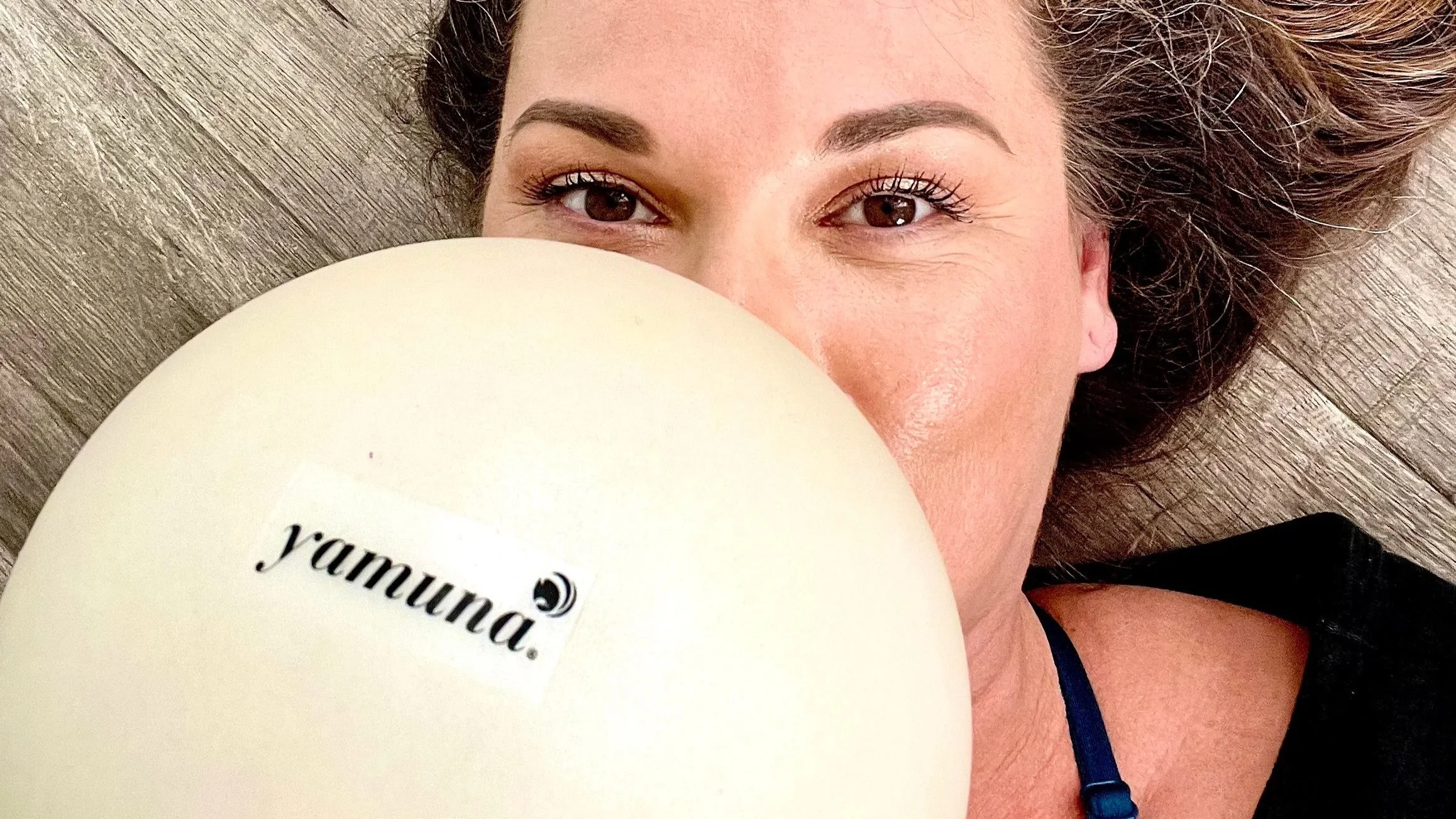
The Tools — Yamuna Body Rolling Balls
One of the things that makes this practice distinct is the specificity of its tools. Yamuna Body Rolling balls are not interchangeable with generic rubber balls or foam rollers. They are available in different sizes and densities, each designed for a particular area of the body and a particular depth of work.
Softer balls allow for gentle, releasing work around the skull, face, and sensitive areas of the spine. Firmer balls support deeper work along the legs, hips, and back. Using the right Yamuna Body Rolling balls for the right area matters — and learning that matching process is part of what makes this practice both an art and a science.
What the Research and Practice Tell Us About the Benefits
The benefits of body rolling are wide-ranging, and they extend well beyond physical relief. Here is what practitioners — and those of us who work somatically — consistently observe:
Fascial release and improved mobility. The fascia is the connective tissue that weaves through and around every structure in the body. When it becomes tight or restricted, movement becomes limited and pain can develop. Body rolling creates the sustained, directed pressure that encourages fascial tissue to release and reorganize.
Nervous system regulation. Slow, intentional pressure on the body sends signals of safety to the nervous system. For those carrying chronic stress or trauma, this kind of regulated, predictable contact can begin to shift the body out of high-alert states. If you are curious about what is happening underneath that response, How to Regulate Your Nervous System goes deeper into the mechanics.
Improved posture and alignment. Working along the bone and through the fascial lines helps restore the body’s natural length and positioning — often addressing patterns that have developed over years.
Pain reduction. One of the most widely reported benefits of body rolling is relief from chronic tension and pain, particularly in the back, hips, neck, and shoulders.
Increased body awareness. This is, perhaps, the benefit I value most. Yamuna Body Rolling is not a passive practice. It asks you to feel what is there — to notice, to track, to be present with your body. That quality of attention is itself healing.
If you are ready to explore what somatic bodywork can do for your nervous system and your healing, I invite you to reach out. I offer one-on-one sessions that weave together somatic experiencing, breathwork, and body-based practices to support you in returning to yourself. Contact me here to learn more or book a session.

Is trauma Holding you back?
Perhaps you experienced a specific event that left you feeling different, disconnected, or stuck. Or maybe you carry a sense of unease in your body, struggling with anxiety or a feeling that something isn’t quite right.
As a somatic experiencing practitioner I specialize in helping people process and release stored trauma through gentle yet effective methods.
Download my FREE guide “Get Unstuck! The Truth About Body Trauma and How to Break Free’ and learn how to create the future you deserve.
Body Rolling Exercises to Try
While working with a trained practitioner offers the most precise and supported experience, there are foundational body rolling exercises you can begin exploring on your own. Here are a few entry points:
Sacral release. Lying on your back with the ball positioned under the sacrum (the flat bone at the base of the spine), allows the weight of the body to create a gentle, sustained release. This area holds a tremendous amount of tension for those who have experienced stress or trauma. If you are working with a trauma history, pairing this with resources like 3 Trauma Release Exercises You Can Try Today can offer additional support.
Upper back and spine work. Placing the ball at the base of the skull or along the thoracic spine and slowly allowing gravity to do the work can create profound release through the back body. Moving slowly matters here — this is not about rolling quickly, but about creating space.
Yamuna Body Rolling Techniques — The Principles Behind the Practice
What makes Yamuna Body Rolling techniques different from other forms of bodywork or self-massage is the underlying intelligence of the method. The work follows the body’s own lines — the pathways along which the muscles, bones, and fascia are naturally organized.
Key principles within Yamuna Body Rolling techniques include:
Working from bone outward. The ball is positioned on or near bone, and the weight of the body creates traction that moves outward through the surrounding tissue. This is different from pressing directly into the muscle belly, which can create bracing rather than release.
Breath as a guide. Breath is integral to the practice. When you feel the body resist or hold, the invitation is to breathe into that place — not to force through it, but to allow the release to come in its own time.
Gravity over force. You are not pressing the ball. You are allowing your body’s own weight to be the agent of change. This is a softer, more sustainable approach — and it mirrors something I believe deeply about healing overall. You can read more about that layered approach in How Delayed Can a Trauma Response Be, which speaks to why the body sometimes waits before it releases what it has been holding.
Closing thoughts
Yamuna Body Rolling is not a quick fix. It is a practice — one that invites you into a more honest and caring relationship with your body over time. For those of us who have learned to live above the neck, to push through, or to disconnect from physical sensation as a way of surviving, this kind of slow, attentive work can be genuinely transformative.
The body wants to come back to ease. Sometimes it just needs the right support to find its way there.
If this resonates with you and you are looking for professional, trauma-informed support in your healing journey, I would love to connect. Whether through somatic therapy, one-on-one sessions, or a combination of approaches tailored to your needs, I am here to support you in doing this work sustainably and with care. Reach out here to explore working together.

Brianna Anderson, SEP
If you’re ready to begin your healing journey I’m here to help so you can begin to live the life of your dreams
My private practice specializes in helping people who have endured trauma, resolve the symptoms out of their body, mind & spirit so they can feel comfortable in their skin, find inner peace and live the desires of their heart.
I am based out of South Orange County, Ca and offer online therapy sessions. Whether you are just starting your healing journey or ready to try something new, I am here to help.