
Is Abortion Trauma a Thing
If you've sat with the question quietly — turning it over during a drive, in the shower, in the middle of the night — you're not alone. Many women who come to my practice are looking for language for something they've felt for years but never named out loud. This post is here to offer that language, gently and honestly.
Is Abortion Trauma Real?
This is one of the most searched, most tender questions in this space, and it deserves a careful answer. Research on the emotional aftermath of abortion is genuinely mixed — most people report relief as their predominant emotion, and a smaller but real subset experience lasting grief, guilt, or distress. So when someone asks me, is abortion trauma real, my answer is: for some, yes, powerfully so — and that reality doesn't need a universal statistic to validate it. What matters clinically is not whether every person experiences it, but whether you did, and whether your nervous system is still holding something from that experience.
What Is Post Abortion Stress Syndrome?
You may have come across the term post abortion stress syndrome (sometimes shortened to PASS) in articles or support forums. It's important to know that post abortion stress syndrome is not a diagnosis recognized in the DSM-5 or endorsed by major psychiatric bodies — it's a term that emerged from advocacy and pastoral counseling spaces rather than clinical research. That doesn't mean the underlying experience isn't real. What it usually describes is a trauma response — intrusive memories, emotional numbing, anniversary reactions, and unresolved grief — that overlaps closely with how we understand trauma and PTSD more broadly. Naming it precisely matters, because it changes what kind of support actually helps.
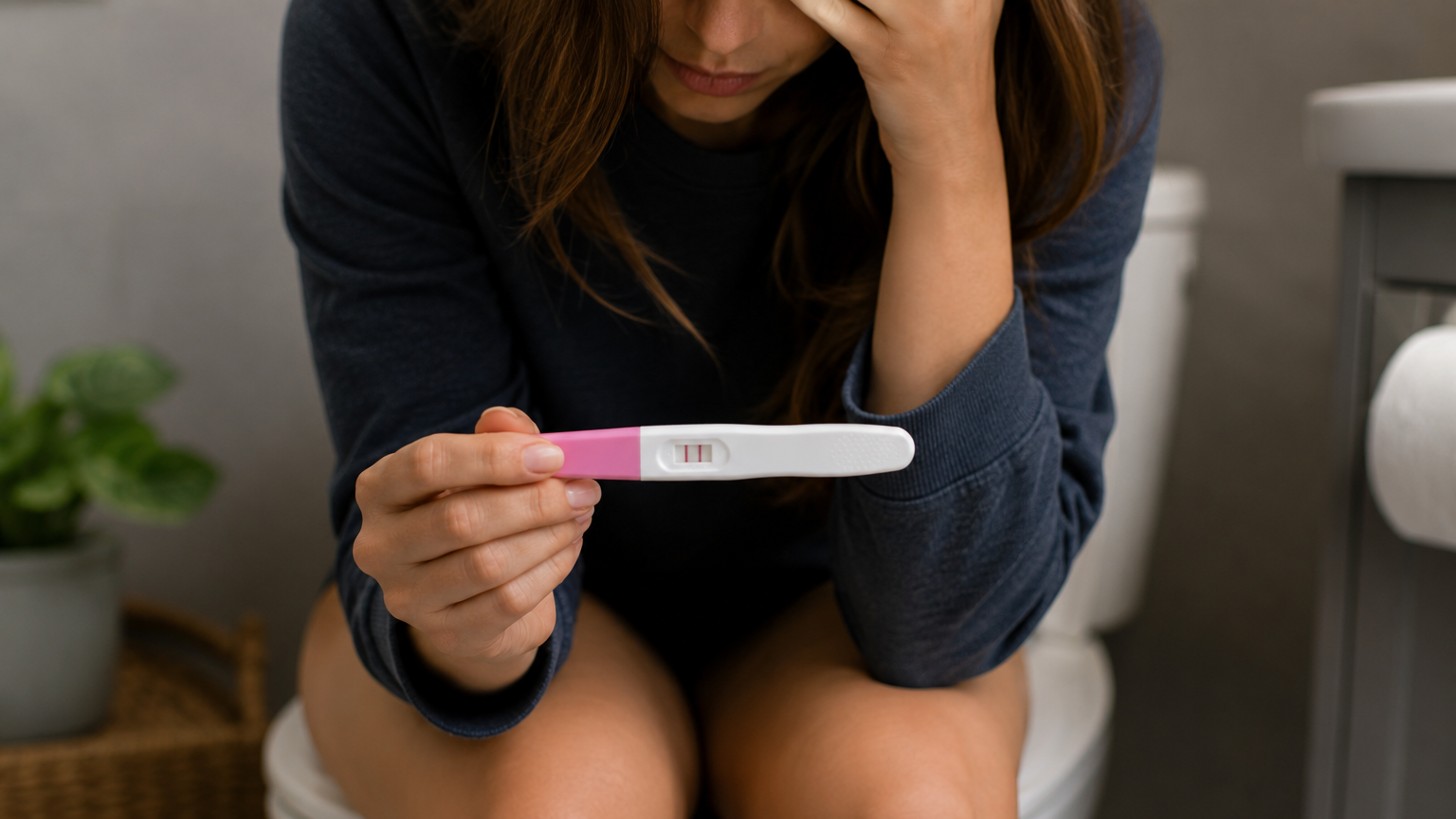
Abortion Trauma Symptoms to Recognize
Whether or not it fits a formal diagnostic label, abortion trauma symptoms are worth taking seriously when they show up. In my practice, I most often see:
Intrusive thoughts or images related to the procedure or decision
Waves of grief that arrive unexpectedly, sometimes years later
Guilt, shame, or self-judgment that feels disproportionate or hard to reason away
Emotional numbness or dissociation, especially around the anniversary date
Anxiety or hypervigilance in the body — a nervous system stuck "on"
Avoidance of reminders: baby showers, certain conversations, medical settings
If several of these are familiar, it doesn't mean something is wrong with you. It means your body is still carrying something it hasn't finished processing. Sometimes this shows up as an inability to reach out even when support is available — if that resonates, my post on Not Asking For Help Is A Trauma Response, But It's Ok explores why that pattern develops and how to gently shift it.
If you recognize yourself in this list and want somatic support to work through it, I'd love to help — you can book a one-on-one session or explore joining The Gathering, my monthly women's somatic embodiment circle here in Orange County, for community-based healing alongside other women who understand this kind of grief.
How Long Does Abortion Trauma Last?
There's no universal timeline, and I want to say that plainly because so many women blame themselves for "not being over it" by some invisible deadline. For some, difficult feelings surface briefly around the procedure and resolve within weeks. For others, symptoms lie dormant and resurface at a due-date anniversary, during a later pregnancy, or when a child reaches a milestone age. Unprocessed trauma doesn't run on a calendar — it runs on the nervous system's own sense of safety, which is exactly why somatic work, rather than talk alone, can be so effective.

Is trauma Holding you back?
Perhaps you experienced a specific event that left you feeling different, disconnected, or stuck. Or maybe you carry a sense of unease in your body, struggling with anxiety or a feeling that something isn’t quite right.
As a somatic experiencing practitioner I specialize in helping people process and release stored trauma through gentle yet effective methods.
Download my FREE guide “Get Unstuck! The Truth About Body Trauma and How to Break Free’ and learn how to create the future you deserve.
Post Abortion Trauma and the Nervous System
From a somatic perspective, post abortion trauma isn't just a story the mind tells — it's a pattern held in the body. The nervous system may have gone into freeze or shutdown during the experience, and without support, it can stay there long after the event itself has passed. This is the same survival-mode patterning I write about often — you can read more in my post on the freeze trauma response and living in survival mode for a deeper look at how the body holds unresolved stress long after the mind has moved on. A gentle, consistent meditation practice can also help regulate this pattern over time — my Somatic Meditation: A Self Start Guide offers a simple entry point if you're not sure where to begin.
Pathways to Abortion Trauma Recovery
The good news is that abortion trauma recovery is absolutely possible, and it doesn't require you to resolve your feelings about the decision itself before you can heal. Recovery, in my experience, tends to move through a few key layers:
Naming it without judgment — separating your embodied experience from anyone else's political or moral framing of abortion.
Releasing the nervous system charge — using somatic tools to complete the stress response your body may still be holding.
Grieving what needs to be grieved — without rushing or minimizing it.
Reconnecting with your body — restoring a felt sense of safety and trust after a medical and emotional experience that may have disrupted both. This is often where embodiment therapy becomes such valuable work — learn more about what it involves and how it supports post abortion trauma recovery.
This is deep, tender work, abortion trauma recovery isn't something to rush through alone. Somatic experiencing offers a body-based approach to gently release what's been held in the nervous system, so healing happens at the pace your body can actually integrate.
If any part of this resonates, I'd be honored to walk alongside you. Book a session to begin your own path toward abortion trauma recovery, at your own pace, in your own time — or reach out here if you have questions first.

Brianna Anderson, SEP
If you’re ready to begin your healing journey I’m here to help so you can begin to live the life of your dreams
My private practice specializes in helping people who have endured trauma, resolve the symptoms out of their body, mind & spirit so they can feel comfortable in their skin, find inner peace and live the desires of their heart.
I am based out of South Orange County, Ca and offer online therapy sessions. Whether you are just starting your healing journey or ready to try something new, I am here to help.